
· 5 min read
Syrniki in London: the Breakfast Everybody Misses
Syrniki are the thing Russian speakers in London miss at breakfast and almost never manage to reproduce at home. The reason is the cheese, not the technique.
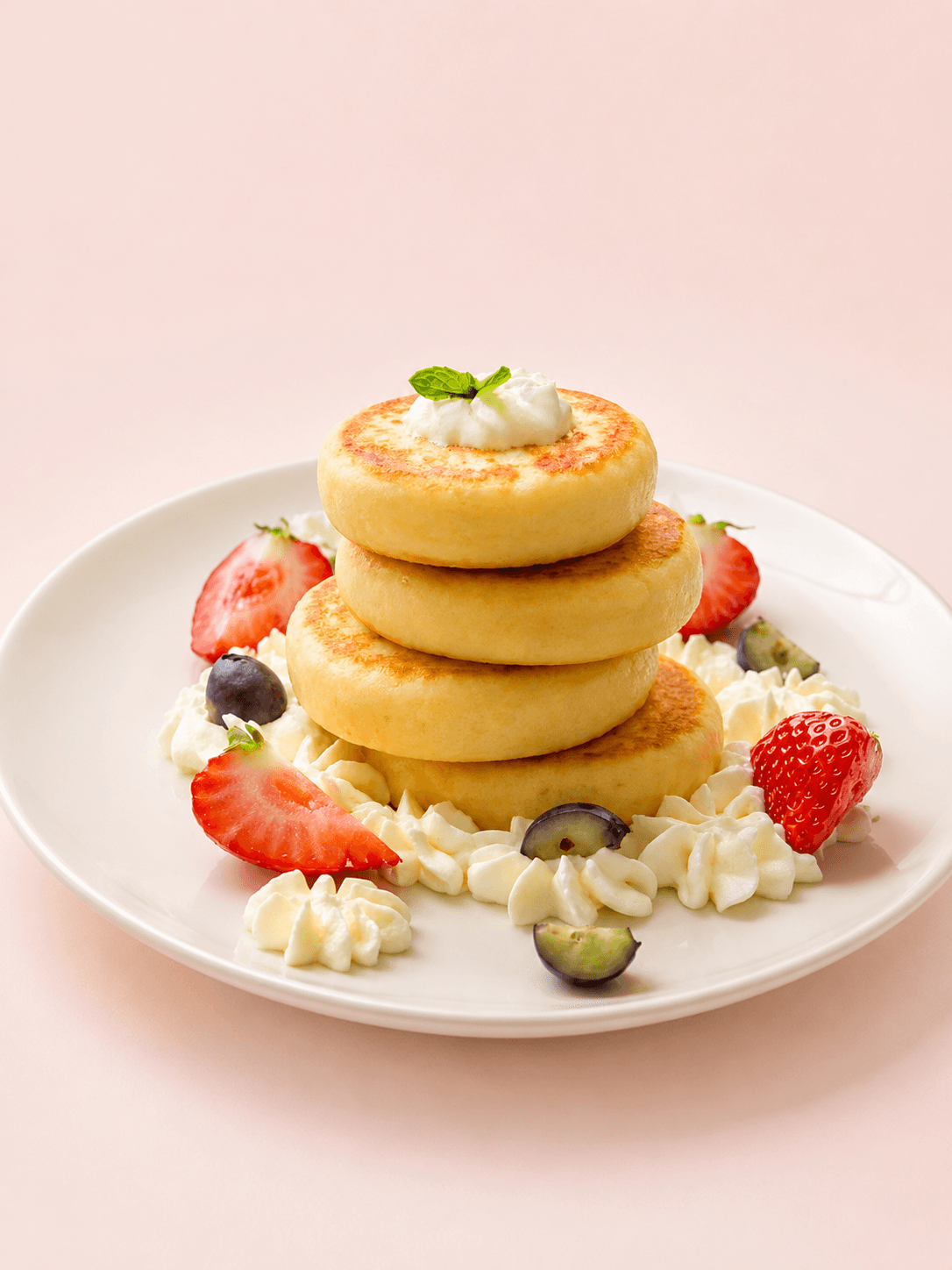
Ask a Russian speaker in London what they miss at breakfast and syrniki come up before anything else. Not blini, not pirozhki. These.
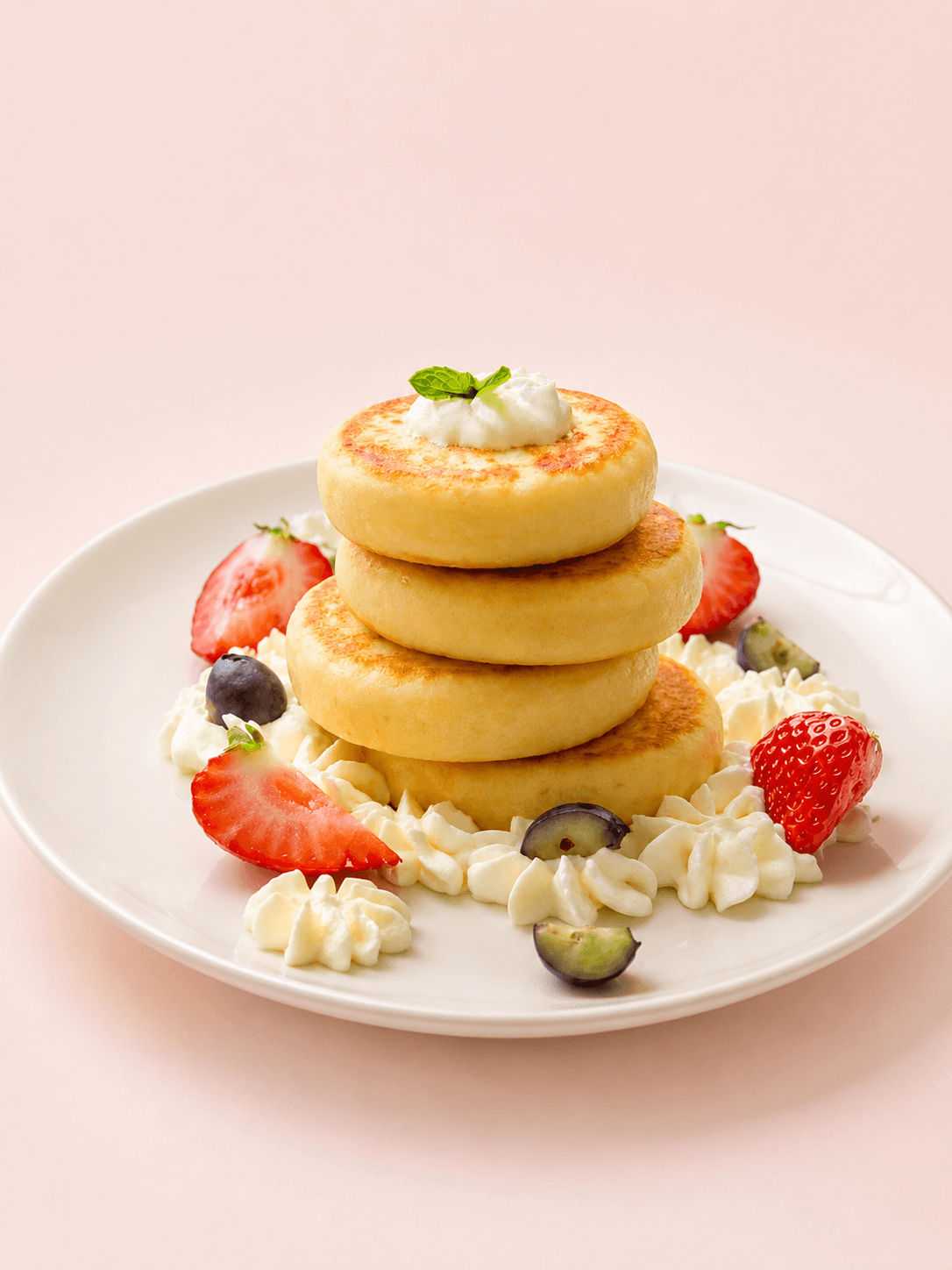
They are small thick rounds of tvorog bound with a little flour and egg, panned in butter until the outside is deep gold and the inside is soft and faintly squeaky, and eaten with sour cream and jam. They take twenty minutes to make, they are eaten by children who will eat nothing else, and they are the default Sunday breakfast across a very large part of the world.
They are also the dish people fail at most often in a British kitchen, and it is almost never the cook's fault.
Why they fail here
The cheese. Syrniki are made from tvorog, which is drained, pressed, dry and unsalted, and the nearest thing on a British supermarket shelf is cottage cheese, which is wet, loose and salted.
Wet cheese means you have to add more flour to hold the mixture together. More flour means the syrnik stops being mostly cheese and starts being a dense little pancake. It browns the same, it looks the same in a photograph, and it eats like a cross between a scone and a fritter.
The fix is either quark, well drained, or cottage cheese hung in muslin overnight in the fridge. Neither is difficult. Both require planning the night before, which is exactly what nobody has at eight on a Sunday morning, which is why people give up and order them.
What goes in them
Tvorog, egg, a small amount of flour or semolina, sugar, salt, vanilla. That is all, and the proportions matter more than the list.
The flour should be the minimum that will hold the mixture together into a patty that survives being turned. Every extra spoonful takes the dish further from what it is meant to be. Some cooks use semolina instead, which absorbs moisture slowly and produces a softer result, and a rest of twenty minutes before panning lets it swell.
Raisins are traditional and divisive. Vanilla is nearly universal. Ours use natural vanilla and no raisins, which we know will annoy some people and please others in roughly equal measure.
Handmade SirnikiSyrniki, six handmade tvorog pancakes with natural vanilla. The Russian breakfast classic.£18Order thisPanning them properly
Medium heat, butter, patience, and not too many in the pan.
Too hot and the outside is dark before the middle has warmed through, which leaves them raw and cold in the centre. Too cool and they absorb butter and go greasy without ever taking colour. What you want is a steady deep gold over four or five minutes a side.
They should be turned once. Pressing them down with a spatula, which everybody does, squeezes out the moisture that makes them tender.
Ours arrive made. To warm them, a dry pan over a low heat for two or three minutes a side, or fifteen minutes in a moderate oven. A microwave makes them rubbery in a way nothing will fix.
What to eat them with
Smetana, which is sour cream, is not optional as far as most people who grew up with them are concerned. It is cold and sharp against something warm and sweet, and it is the whole point.
Then jam, and the classic is a sour one: cherry, blackcurrant, lingonberry. Honey works. Condensed milk is the childhood version and is extremely sweet.
British double cream is too rich and too mild. Greek yoghurt is a reasonable substitute for smetana and a little too tangy on its own.
For a breakfast order
Syrniki are the most useful thing we make for a morning rather than an afternoon. They reheat properly, which most pastries do not, and they are substantial enough to be a meal.
For a weekend with guests, the honest recommendation is syrniki and blini together, with sour cream, jam and something savoury, which is closer to how either would actually be eaten than putting out pastries with coffee.

Frozen supermarket syrniki
Several brands of frozen syrniki are sold in Eastern European shops in London and they are a reasonable weekday option, with a few known problems.
The first is flour. A frozen syrnik has to hold together through freezing, transport and panning from frozen, and the way to guarantee that is more flour. They are denser than a fresh one and the cheese is less prominent.
The second is that they are usually pre fried and then frozen, so panning them is really reheating. That gives a second browning on a surface that is already browned, and the crust ends up thicker and harder than it should be.
The third is sugar. Frozen ones are generally sweeter, because sweetness survives freezing better than dairy flavour does and because it makes them easier to like.
They are a fine thing to keep in a freezer. They are not the Sunday morning version, and if you have been eating those and finding them heavy, that is why rather than any failing on your part.
Ours are made by hand for your date, with the minimum flour that will hold them.
Common questions
What are syrniki made of?
Tvorog, a fresh drained curd cheese, bound with egg and a small amount of flour, sweetened lightly and panned in butter. Ours are made with natural vanilla.
Are syrniki the same as pancakes?
No. A pancake is a batter. Syrniki are mostly cheese, held together with as little flour as the mixture will allow, and they are thick rather than thin.
How do I reheat them?
A dry pan over low heat for two or three minutes a side, or a moderate oven for about fifteen minutes. Not a microwave.
How many come in a portion?
Six.
What are the allergens?
Gluten, eggs and milk.
Can I freeze them?
Yes, and they take it better than most things we make. Freeze them flat on a tray, then bag them, and reheat from frozen in a low oven.
Ordering in London
Made by hand to order in Belgravia, delivered across London and Surrey. Forty eight hours notice, £12 delivery in central London and £15 elsewhere, £50 minimum order.
Order it for the date you need
Everything here is baked to order for your date.
48 hours notice, 72 for bread. Delivered across London and Surrey.