
· 6 min read
Sourdough, Rye and Japanese Milk Bread: Three Loaves Compared
Three loaves, three completely different doughs, three different jobs. Here is which one you want and why bread works differently from everything else we sell.
We bake three loaves and they have almost nothing in common beyond flour and water. A sourdough, a rye and a Japanese milk bread are three separate technologies that happen to share a shelf, and choosing between them is not a matter of preference so much as a matter of what you are going to do with it.
Bread also works differently from everything else on the site, so there is a practical section at the end that is worth reading before you order.
Sourdough
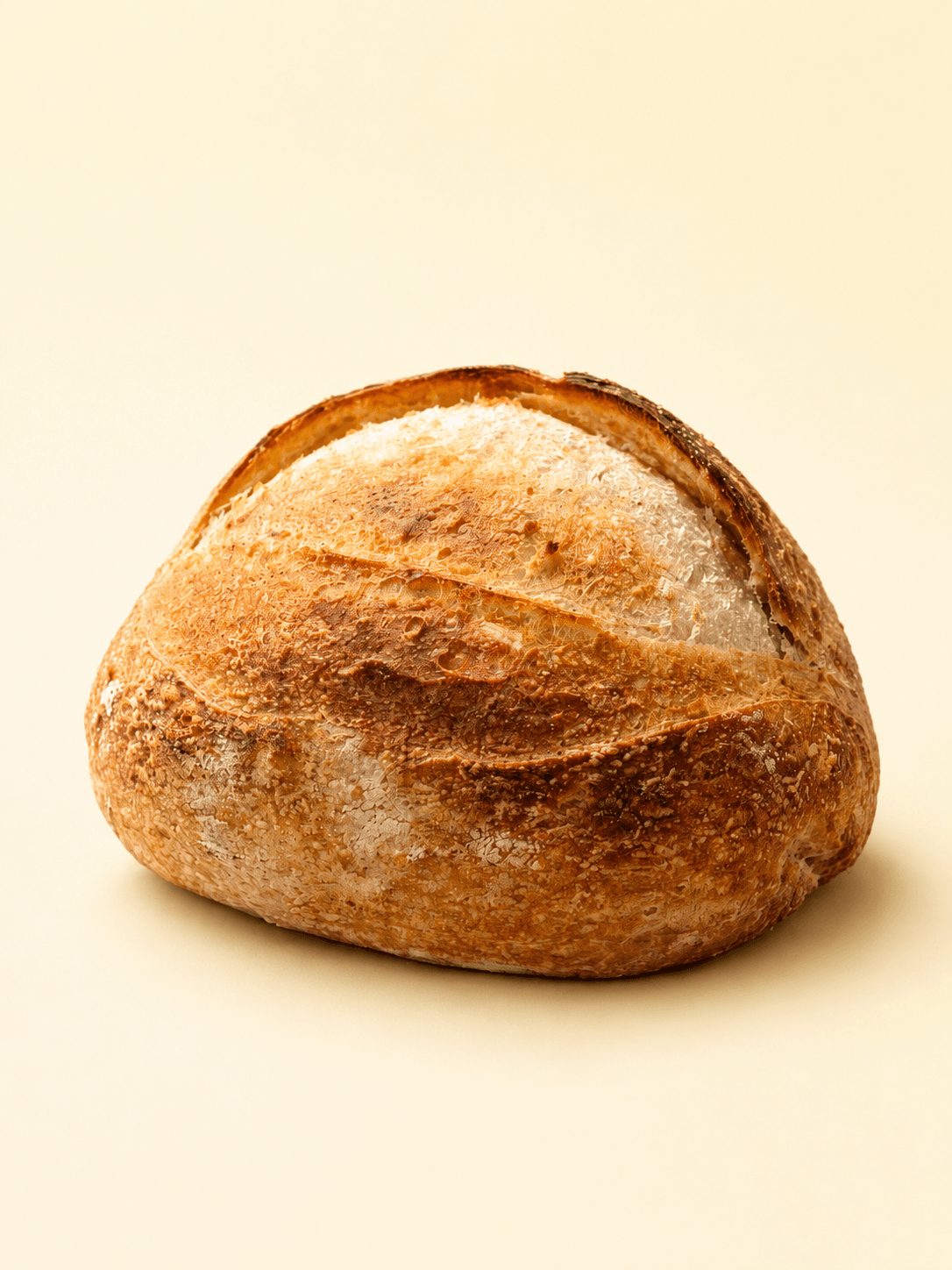
Naturally leavened, which means no commercial yeast at all. The rise comes from a starter: a live culture of wild yeasts and lactic acid bacteria kept alive by regular feeding, which is fermented into the dough over many hours.
What that gives you is a chewy crust, an open crumb with irregular holes, and a flavour with a faint sourness and a depth that a fast yeasted bread does not have. The long fermentation is doing the flavour work. There is no ingredient you can add to get there.
It is the loaf for toast, for soup, for anything where the bread is part of the meal rather than a container. It makes indifferent sandwiches, because the holes let filling through and the crust fights back.
Rye
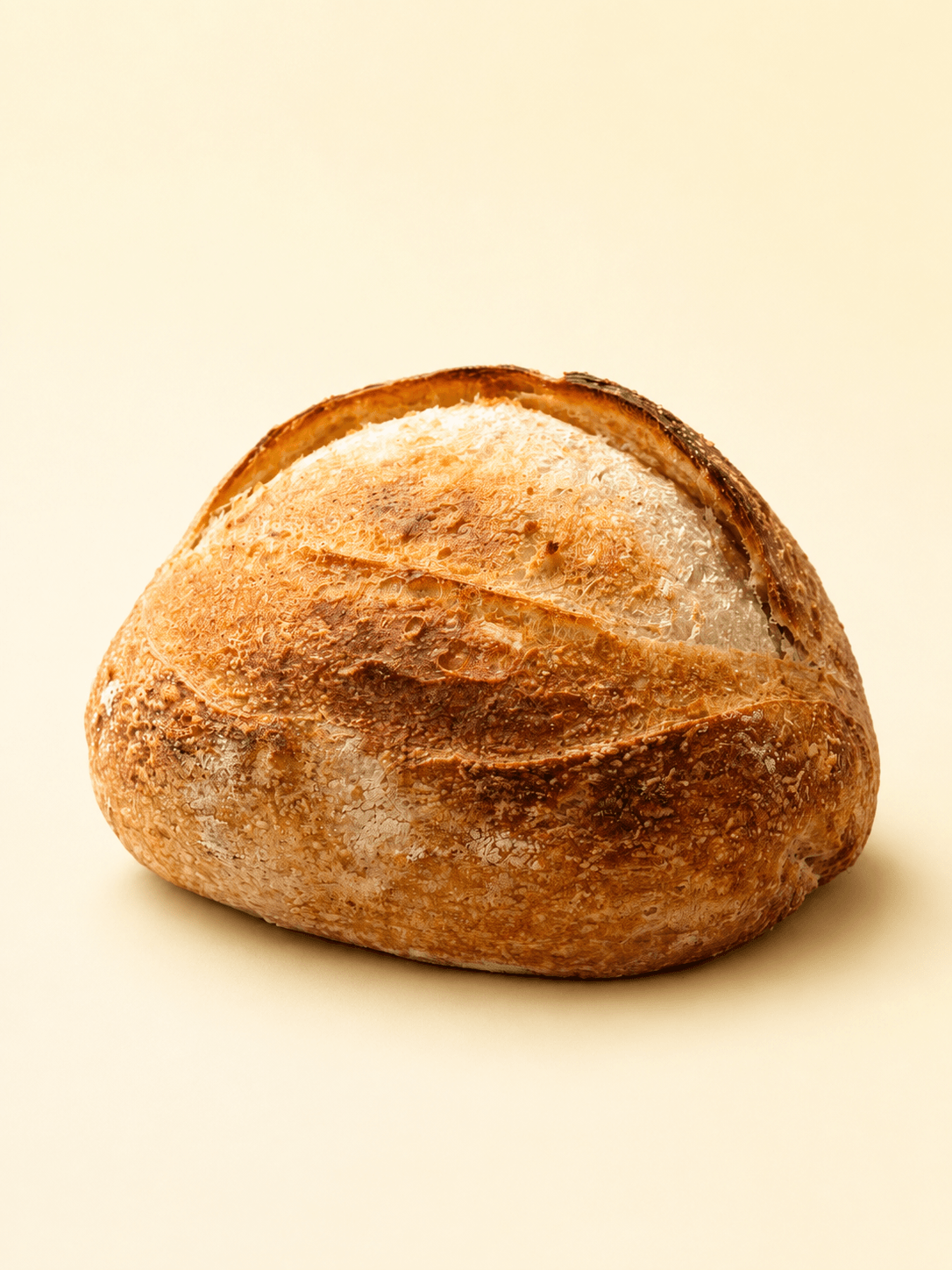
Rye is not wheat with a different flavour. It is a different grain that behaves differently in every respect.
Rye flour has very little gluten, so a rye dough does not develop the elastic network that lets a wheat dough trap gas and rise high. Instead it relies on pentosans, which are starches that hold enormous amounts of water, and the result is a dense, moist, close crumb rather than an airy one.
It is also more acidic, which is both a flavour and a necessity: rye needs acidity to stop its own enzymes breaking the starch down into something gummy during baking, which is why traditional rye breads are almost always sourdoughs.
The flavour is deep, faintly sour, slightly malty, with a bitterness that people either love immediately or take a while to come to. In Eastern Europe it is the everyday bread and wheat is the special one, which is the opposite of the British arrangement.
It is the loaf for herring, for smoked fish, for salted butter, for cheese, for anything strongly flavoured. It is not for jam.
Japanese milk bread
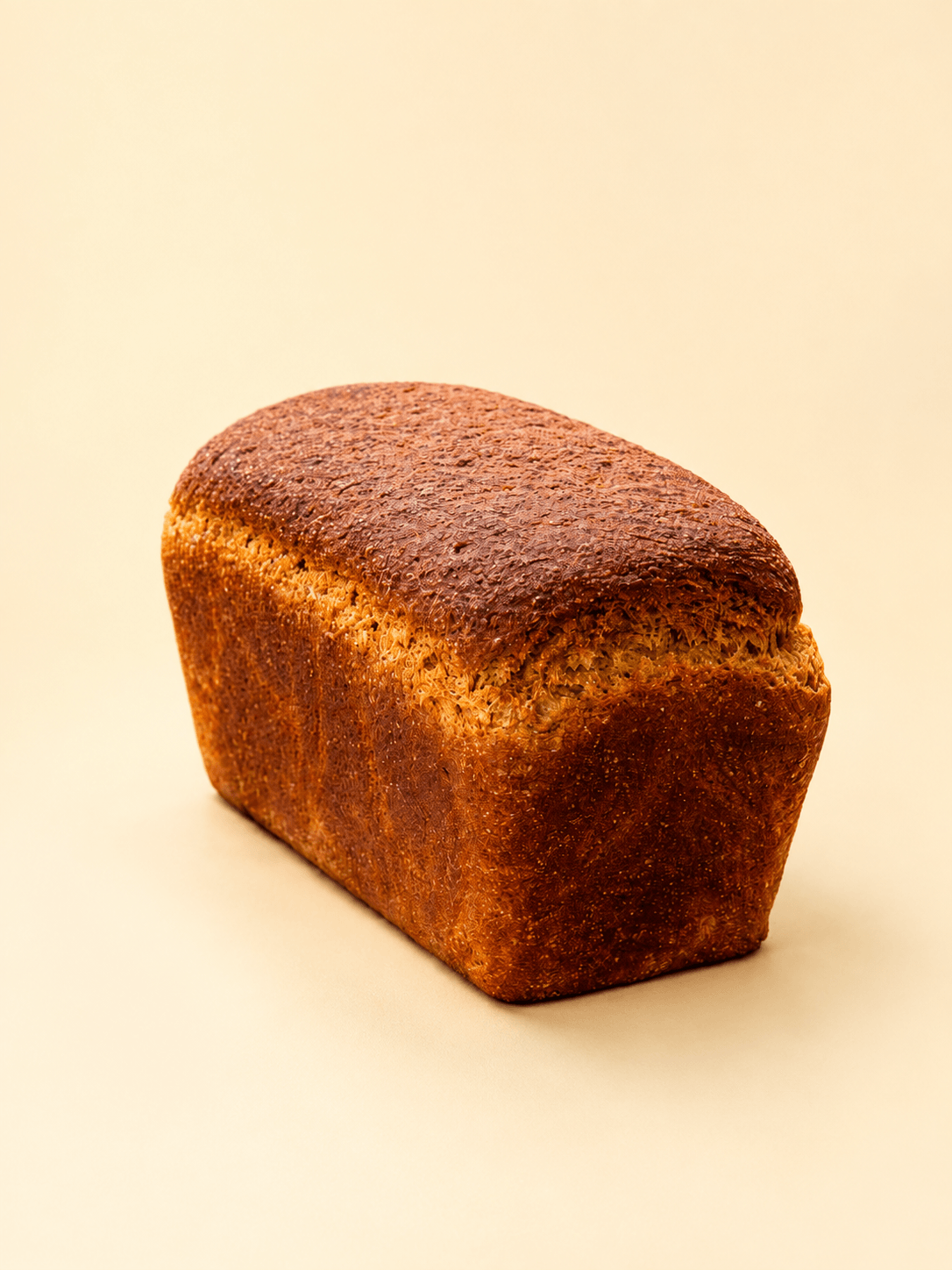
Shokupan, and the outlier here in every sense.
It is made with a tangzhong, which is a paste of flour and liquid cooked to a thick roux before it goes into the dough. Gelatinising the starch that way lets it hold far more water than it otherwise could, and that extra water stays in the crumb after baking.
What you get is a loaf that is extremely soft, very light, faintly sweet, with a fine even crumb and a thin pale crust. It also stays soft for noticeably longer than an ordinary white loaf, because of the same trapped water.
It is the loaf for sandwiches, for children, for French toast, and for anybody who finds sourdough too much work to chew. It is also the one that reliably converts people who say they do not like bread.
How bread works on the site
This is the part that catches people out.
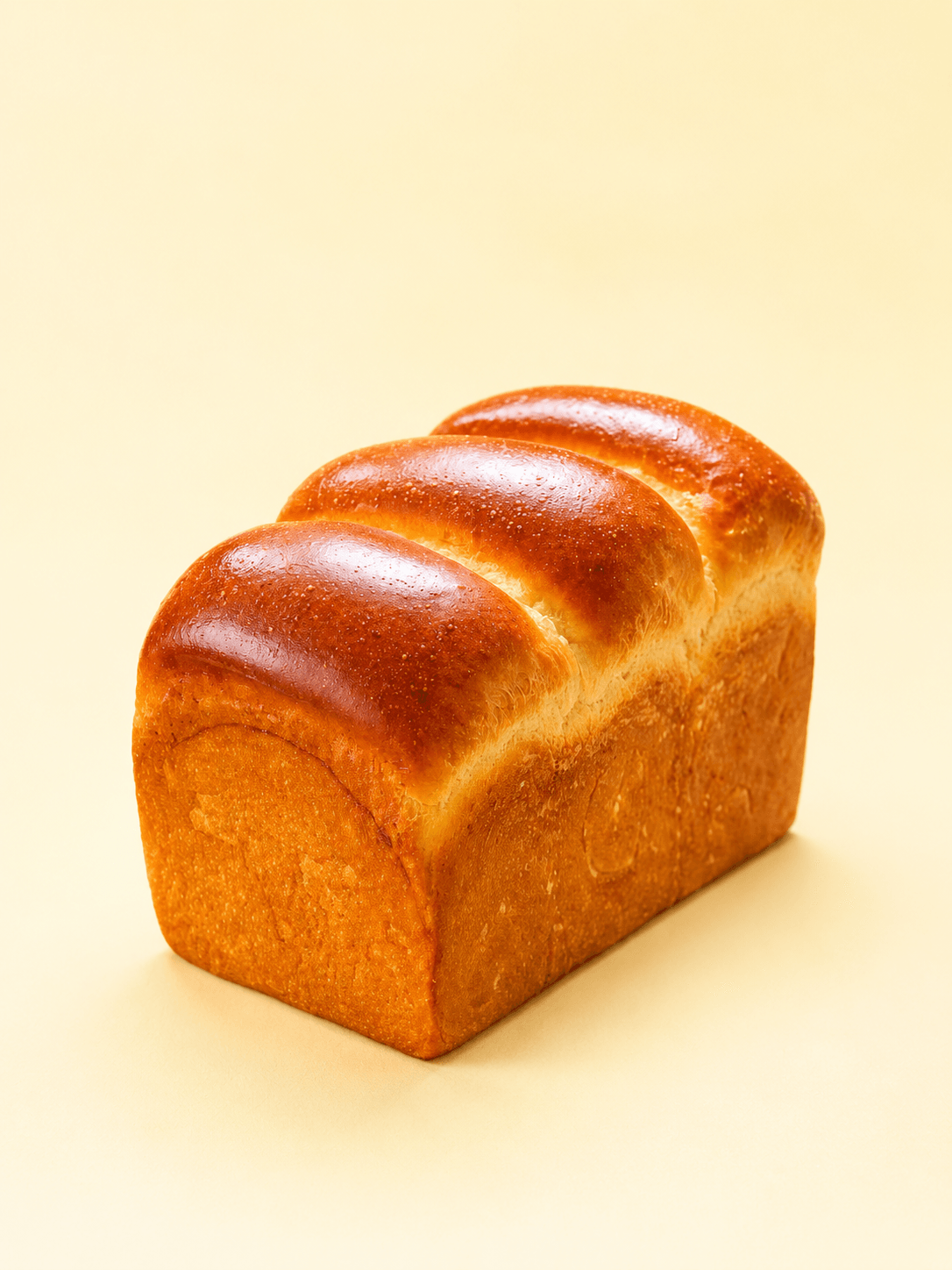
Bread is baked on Wednesdays only. Not as a policy decision to seem artisanal, but because the sourdough starter, the schedule and the oven space all have to come together, and doing it properly once a week is better than doing it badly three times.
That means a loaf needs a Wednesday delivery date, and it needs 72 hours notice rather than the 48 that applies to everything else. So a Wednesday less than three days away is already too close, and the order goes to the following Wednesday.
There is also a bread round, which is the standing arrangement for people who want a loaf every week without placing an order each time. It is the sensible way to buy bread from us if you want it regularly.
Japanese Loaf BreadJapanese milk bread, shokupan. Light, fluffy and faintly sweet with a soft crust.£15Order thisKeeping it
Not in the fridge. Refrigeration accelerates the staling of bread rather than slowing it, which is a genuine and often surprising fact.
Sourdough and rye: cut side down on a board, or in a paper bag, at room temperature. Three or four days for the sourdough, longer for the rye, which improves for a day.
Milk bread: sealed in a bag at room temperature, which keeps it soft. It goes stale faster than the other two despite feeling softer for longer.
All three freeze properly. Slice before freezing, take slices out as you need them, and toast from frozen.
Supermarket sourdough, and what to look at
There is a widely used term in the British baking trade, sourfaux, for bread sold as sourdough that is not naturally leavened.
There is no legal definition of sourdough in the UK, so a loaf can be made with commercial yeast, given a small amount of sourdough flavouring or a portion of starter for taste, proved in a couple of hours, and sold under the name. The Real Bread Campaign has been arguing for a legal definition for years, so far without success.
The way to check is the ingredient list. A naturally leavened loaf needs flour, water, salt and a starter, which is itself flour and water. If you see yeast on the label, it is not naturally leavened. If you see ascorbic acid, enzymes, vegetable fat or anything ending in ate, it is a modern industrial loaf that has had sourdough character added rather than fermented into it.
None of that is dangerous and some of it is very pleasant bread. It is simply not the thing that takes three days, which is why ours needs 72 hours of notice and one bake a week.
Common questions
Why is bread only baked on Wednesdays?
Because the starter schedule and the oven have to line up, and one properly run bake a week gives a better loaf than three rushed ones. It also means the bread that goes out is always the same age.
Why does bread need 72 hours notice instead of 48?
The dough is started well before the bake. Three days is what the fermentation actually takes.
Which loaf should I choose for sandwiches?
The Japanese milk bread. Fine even crumb, soft, and nothing falls through it.
Which is best with soup or cheese?
Sourdough for soup, rye for strong cheese and smoked fish.
Are any of them vegan?
The sourdough and the rye contain only gluten as a declared allergen. The Japanese loaf contains eggs and milk. Ask us before ordering if this is important, as recipes are reviewed from time to time.
What is the bread round?
A standing weekly arrangement so you get a loaf each Wednesday without ordering every time. There is a page on the site explaining how it works.
Ordering bread in London
Choose a Wednesday at least 72 hours ahead at the checkout. Delivery is £12 in central London and £15 elsewhere, with a £50 minimum order across the basket.
Order it for the date you need
Everything here is baked to order for your date.
48 hours notice, 72 for bread. Delivered across London and Surrey.