
· 6 min read
Prague Cake in London: the Soviet Chocolate Classic
Prague cake was invented in Moscow, named after a restaurant, and owes its shape to a Viennese cake it is not allowed to be. Here is what is actually in it.
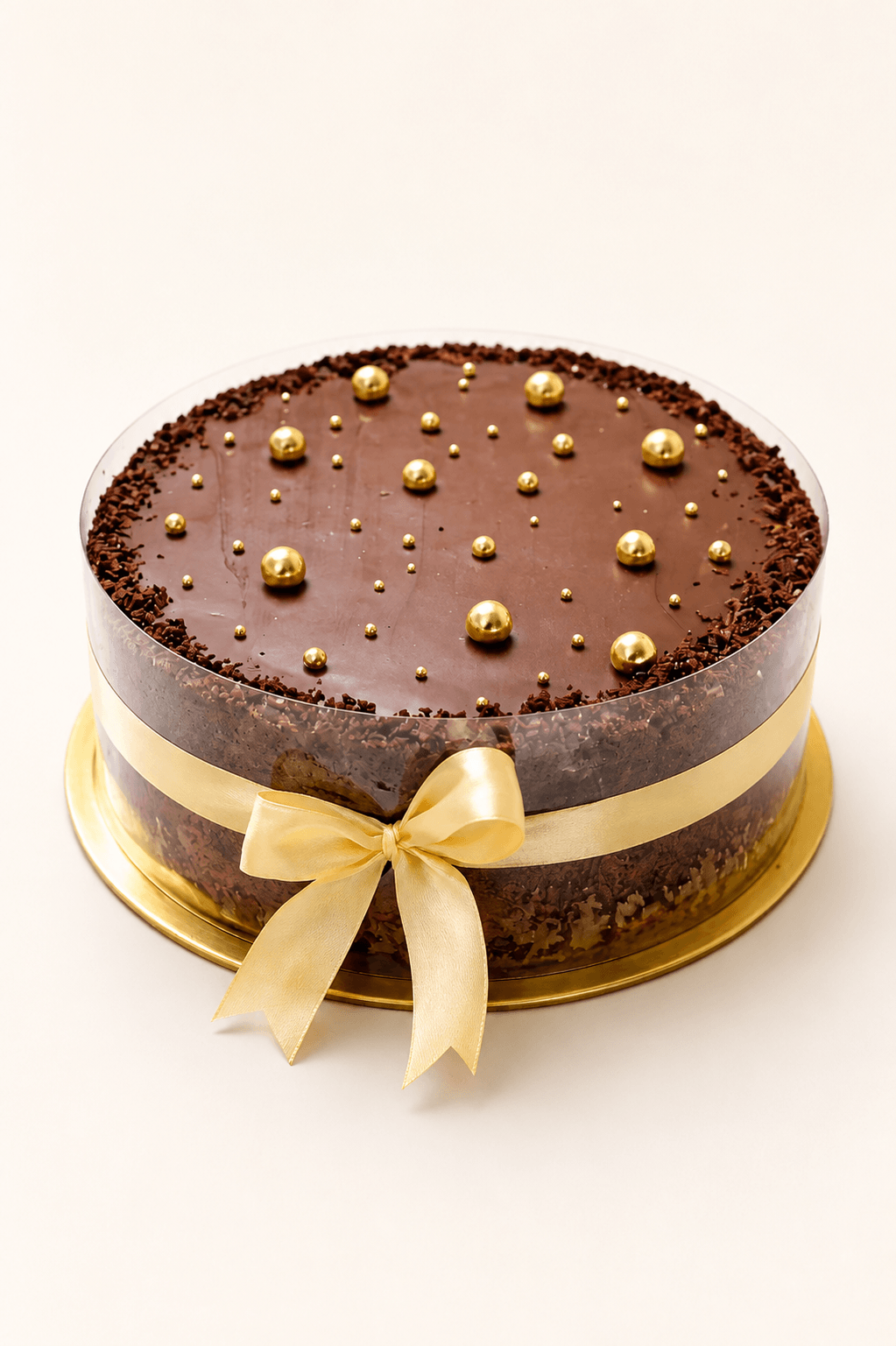
Prague cake is not from Prague. It has never been from Prague. It was created in Moscow, at the Praga restaurant on Arbat, by the same confectionery department that gave the world Bird’s Milk, and it was named after the restaurant rather than the city the restaurant was named after.
This confuses people, and it has confused them for fifty years, so it is worth clearing up before anything else. If you order a Praga expecting something Czech you will be disappointed and it will not be the cake's fault.
What it is copying, and why it is not that
The shape of the recipe is borrowed from Sachertorte: dark chocolate sponge, apricot, chocolate glaze. A Viennese pastry chef would recognise the outline immediately.
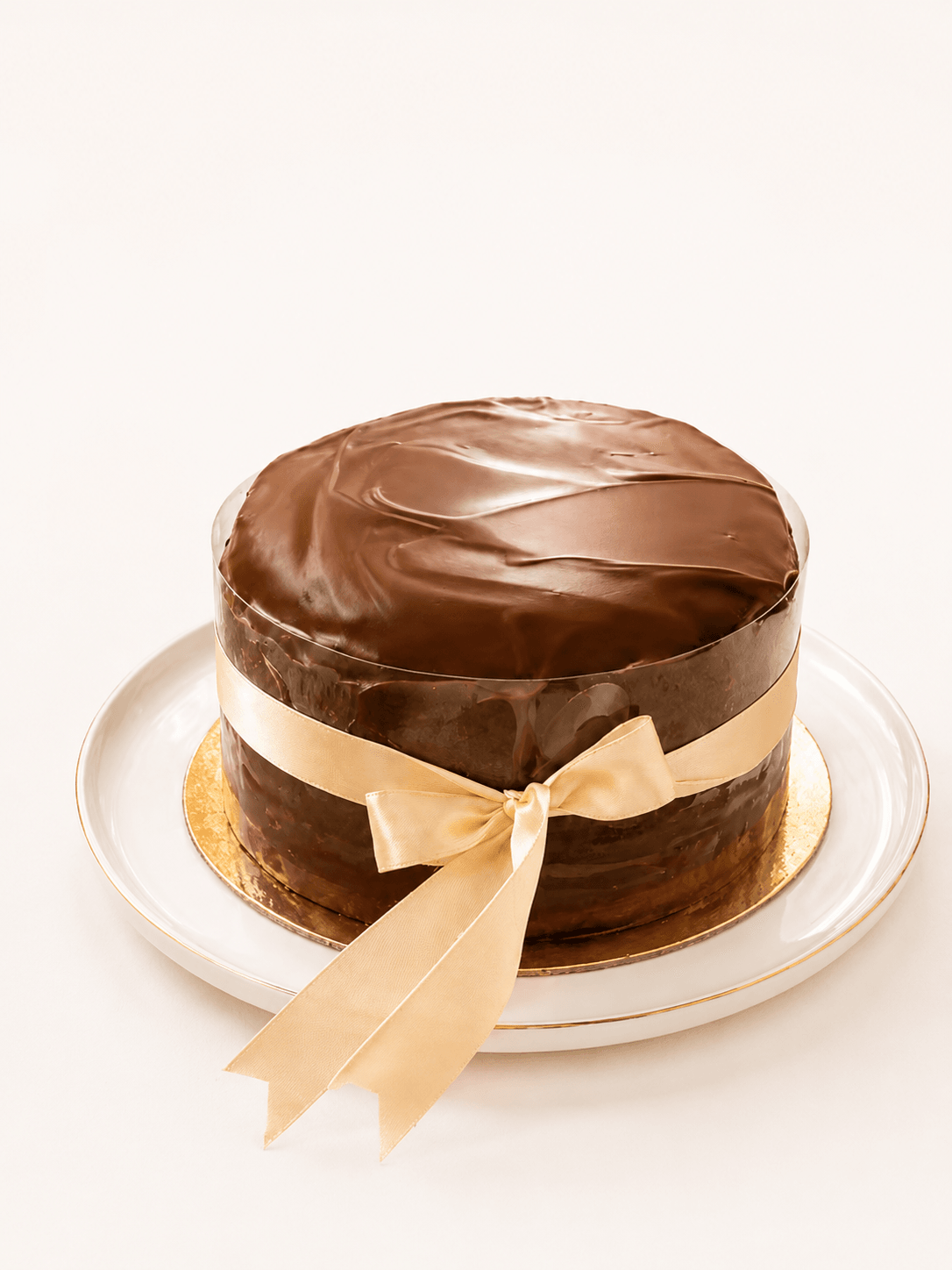
What it does with that outline is different in every particular that matters. Sachertorte is one dense sponge, split once, with apricot jam through the middle and under the glaze, and it is famously dry, which is why it is served with unsweetened whipped cream. Prague cake has three thinner chocolate sponges, each soaked, layered with a chocolate buttercream made on egg yolks and condensed milk, a thin apricot layer near the top, and a poured chocolate glaze over all of it.
The result is far softer and much richer. Nobody serves Prague cake with cream on the side, because it does not need rescuing.
What the apricot is doing
Most people who eat this cake do not notice the apricot as apricot. That is correct, and it is the point.
A cake with this much cocoa, this much butter and this much sugar goes flat in the mouth very quickly. It tastes of one thing, it tastes of it strongly, and then it stops being interesting. The apricot layer is thin, sharp and slightly floral, and it sits directly under the glaze, which means it hits the palate at the same moment as the bitterest part of the cake.
What it produces is a sense that the chocolate is more complicated than it is. Take it out and the same cake is cloying. This is the same trick the sour cream plays in a medovik and the same reason Kyiv cake needs salt in its buttercream, and it shows up in Soviet confectionery again and again once you start noticing it.
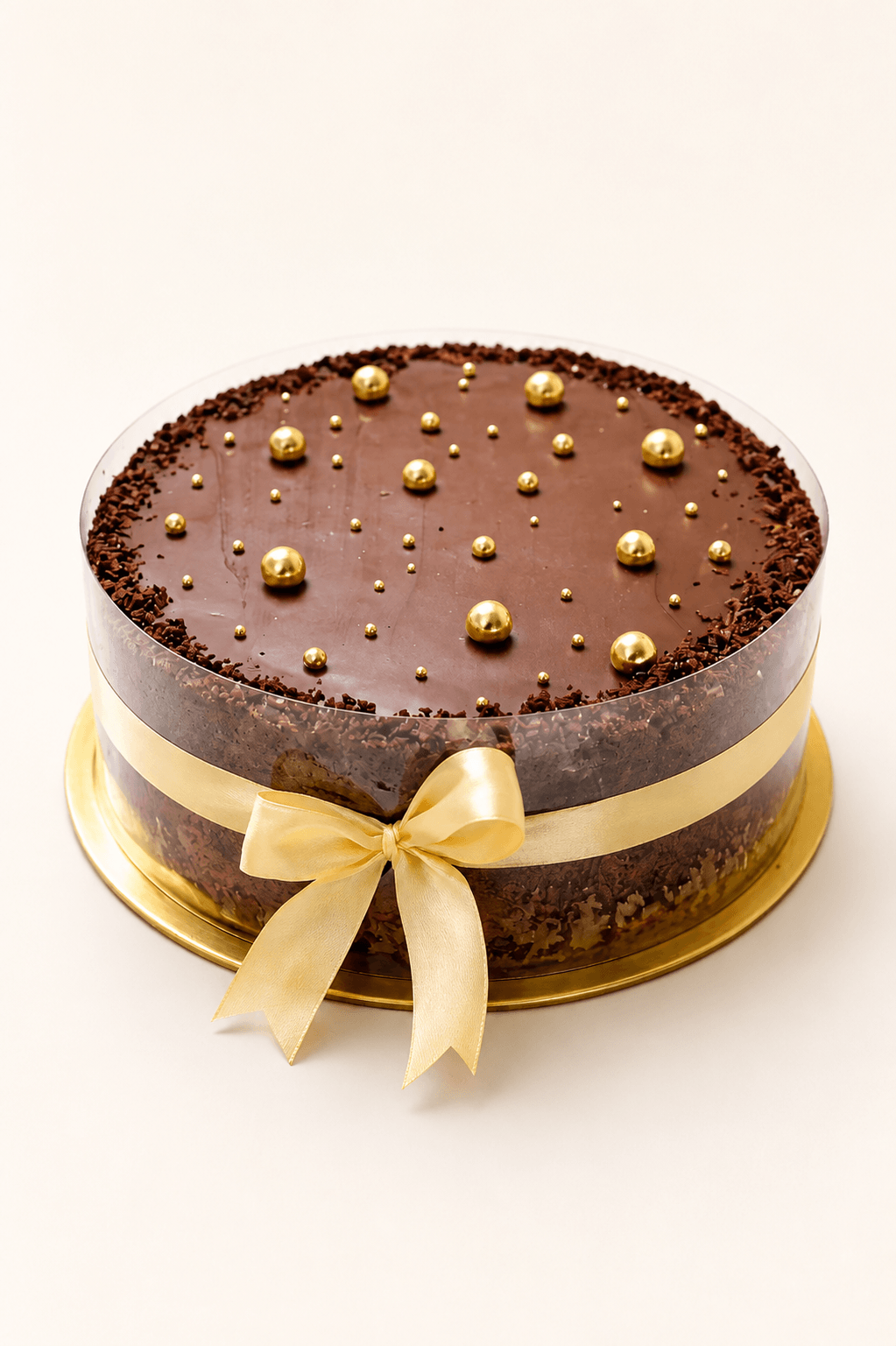
Prague Cake (18cm)Prague cake, Praga, 18 cm. Chocolate sponge layered with apricot and finished in ganache.£82Order thisThe state standard, and what survived it
Prague cake had a GOST specification, which is to say it was defined by a state standard with a number, and that standard specified the layers, the cream and the glaze in some detail.
You can read that as bureaucratic absurdity, and people do. It also meant that a cake bought in Vladivostok and a cake bought in Minsk were recognisably the same cake, made from the same ratios, and that the recipe was written down somewhere that survived the collapse of the system that wrote it. A surprising amount of what home bakers across the former Soviet Union make today is a GOST recipe passed hand to hand, adjusted for a domestic oven and the ingredients actually available.
Ours follows the outline rather than the paperwork. Three sponges, chocolate cream, apricot, glaze, and butter rather than margarine, which the standard permitted and which does the cake no favours.
Prague, Charodeyka, or the anthill
The three chocolate leaning cakes in the range do genuinely different things, and people order the wrong one fairly often.
Prague is the rich one. Dense, dark, adult, and best in small slices after a heavy meal.
Charodeyka is the light one. Airy sponge, custard cream, a thin chocolate glaze on top, and it is the cake a child will pick from a table where Prague cake is also standing. It was the Soviet cafe cake rather than the celebration cake.
Muraveynik is the crumbly one. No baked layers at all in the usual sense: shortcrust is baked, broken up, worked through caramelised condensed milk and piled into a mound. It eats like a confection rather than a cake and it is the best keeper of the three.
How it compares to a British chocolate cake
Worth setting side by side, because people order one expecting the other.
A British chocolate fudge cake is built for sweetness and volume: a deep sponge, a thick soft frosting, and a slice that stands tall on a plate. The dominant flavour is sugar with cocoa behind it, and it is designed to be eaten in a large piece.
Prague cake goes the other way. The sponges are thin and soaked, the cream is egg based rather than icing sugar based, the glaze is a real chocolate set rather than a frosting, and the whole thing is denser and considerably less sweet per mouthful. The slice is smaller and it takes longer to eat.
Neither is better. But if you order a Prague cake for a children's party expecting fudge cake, the children will be politely confused, and if you order a fudge cake for a table of people who grew up on GOST recipes, they will eat it and then talk about Praga.
The practical marker is sweetness. If you find most British celebration cakes too sweet, this is the chocolate cake for you.
Common questions
Is Prague cake the same as Sachertorte?
No. It borrows the idea of chocolate sponge with apricot under a chocolate glaze, but it uses three soaked layers and a chocolate buttercream in between, which makes it much softer and richer than the Viennese cake.
Why is it called Prague cake if it is Russian?
It is named after the Praga restaurant in Moscow, where it was developed. The restaurant took its name from the city. The cake never did.
Does it contain alcohol?
Ours does not. Some traditional versions use a spirit in the sponge soak. If you are ordering for a table where that matters, the answer here is no.
How far ahead should I order?
Forty eight hours. The glaze is poured and has to set properly, and the assembled cake is better for a night in the cold.
How many does an 18 cm Prague cake serve?
Ten to twelve, and towards twelve rather than ten. It is the richest cake in the range and people take smaller slices of it than they think they will.
What are the allergens?
Gluten, eggs, soya and milk. It contains no nuts, which makes it one of the safer chocolate options for a table with a nut allergy, though we would always ask you to check with us rather than assume.
Ordering one in London
Made to order in Belgravia, delivered across London and Surrey. Forty eight hours notice, £12 delivery within central London postcodes and £15 elsewhere, £50 minimum order. Pick the date at checkout and the cake is baked for it.
Order it for the date you need
Everything here is baked to order for your date.
48 hours notice, 72 for bread. Delivered across London and Surrey.