
· 5 min read
What to Serve for Afternoon Tea at Home
Afternoon tea at home usually fails in one of two ways. Either there is far too much of it, or it all arrives at once and nobody knows where to start.
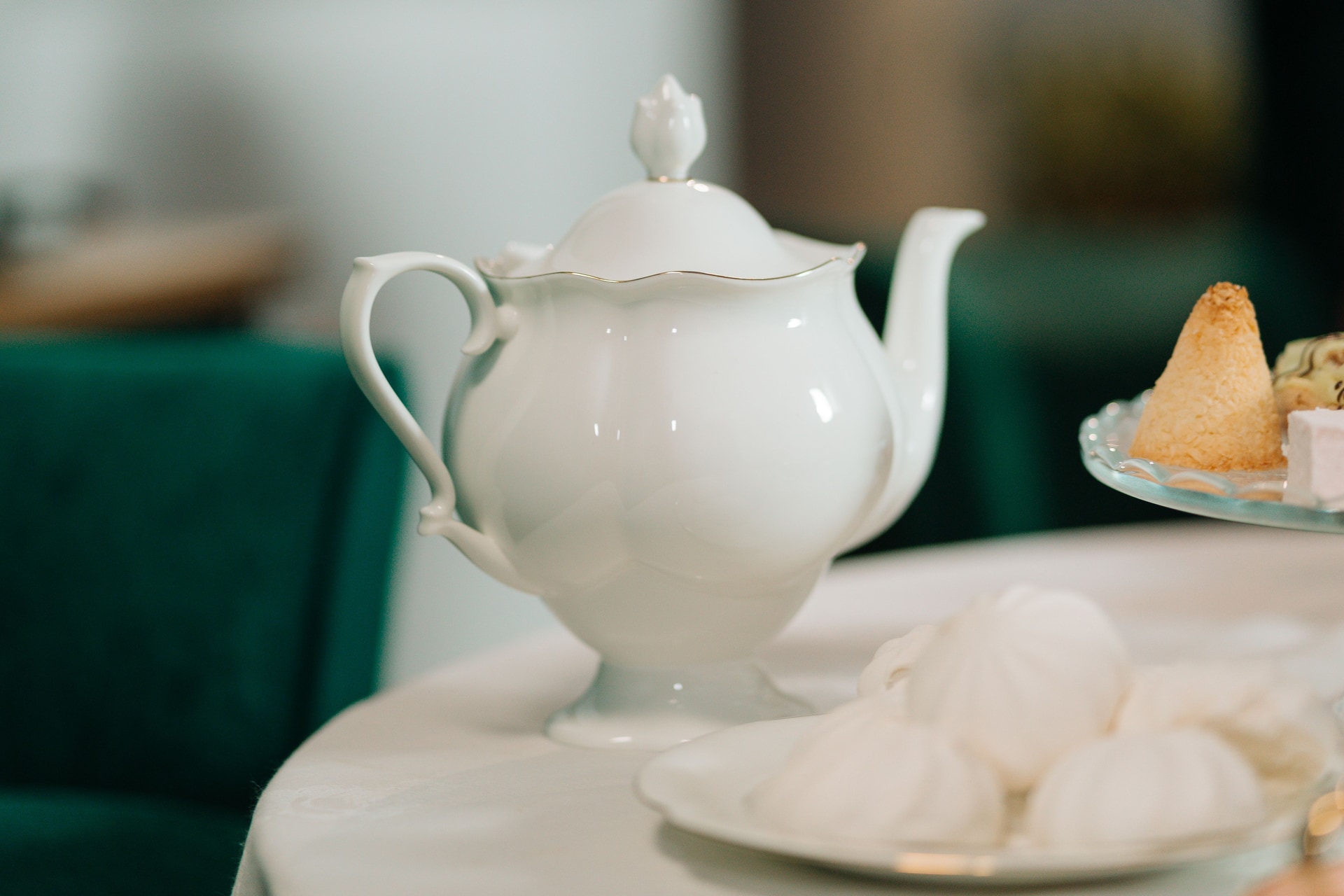
Afternoon tea at home usually goes wrong in one of two ways. Either somebody makes far too much and half of it is thrown out, or everything arrives on the table at once and the whole thing is over in twenty minutes.
Both are avoidable, and neither requires you to bake anything.
How much per person
The standard hotel format is three savoury, two scones and three sweet per person, and it is famously more than most people can eat. At home you can be more honest.
For a tea that runs an hour and a half, allow four to five items per person in total. Somewhere between one and two savoury, one substantial sweet thing, and two or three small ones.
For six people that is roughly twenty five to thirty pieces, which is much less than the table you may be picturing.
The variable is the time of day. A tea at three o'clock is between meals and people eat less. A tea at five that is quietly replacing dinner needs the savoury doubled.
The order it goes in
This is what stops it being over in twenty minutes.
Savoury first, on its own, with the first pot of tea. Nothing sweet on the table yet. This sounds fussy and it is the single thing that most changes how the afternoon goes, because it creates a beginning, a middle and an end rather than a pile.
Then the substantial sweet thing, which is the cake, cut and served.
Then the small sweet things, with fresh tea, for people to pick at while the conversation carries on. This is the part that stretches, and it is the reason people are still at the table at half past five.
The savoury
Pirozhki work extremely well here and almost nobody thinks of them. They are the right size, they are eaten with hands, and they are unusual enough to start a conversation.
Cabbage and egg at £22 for six is the traditional choice. Mushroom at £27 covers vegetarians with something that has real savoury weight. Meat and cabbage at £27 is the substantial one for a tea that is standing in for dinner.
Two fillings across six people is plenty. Serve them warm, which means ten minutes in a moderate oven before people arrive rather than a microwave.
The cake
One cake, cut at the table, and it should be the thing people remember.
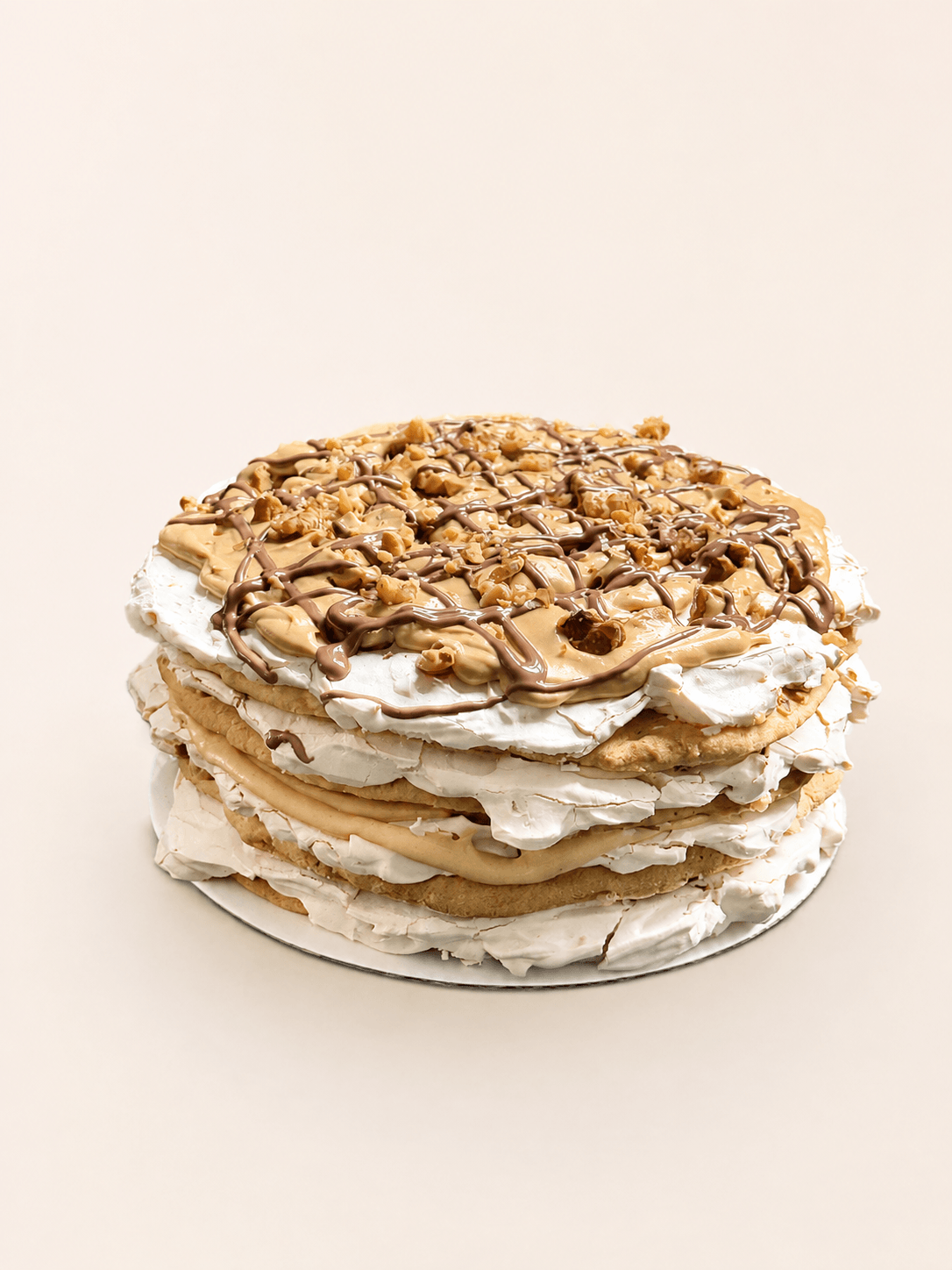
The medovik at £68 is the best afternoon tea cake we make. It is not too sweet, which matters when it is being eaten alongside other sweet things, it is unusual, and it goes with tea specifically. The soured cream and the caramelised honey both work with a strong black tea in a way that a buttercream cake does not.
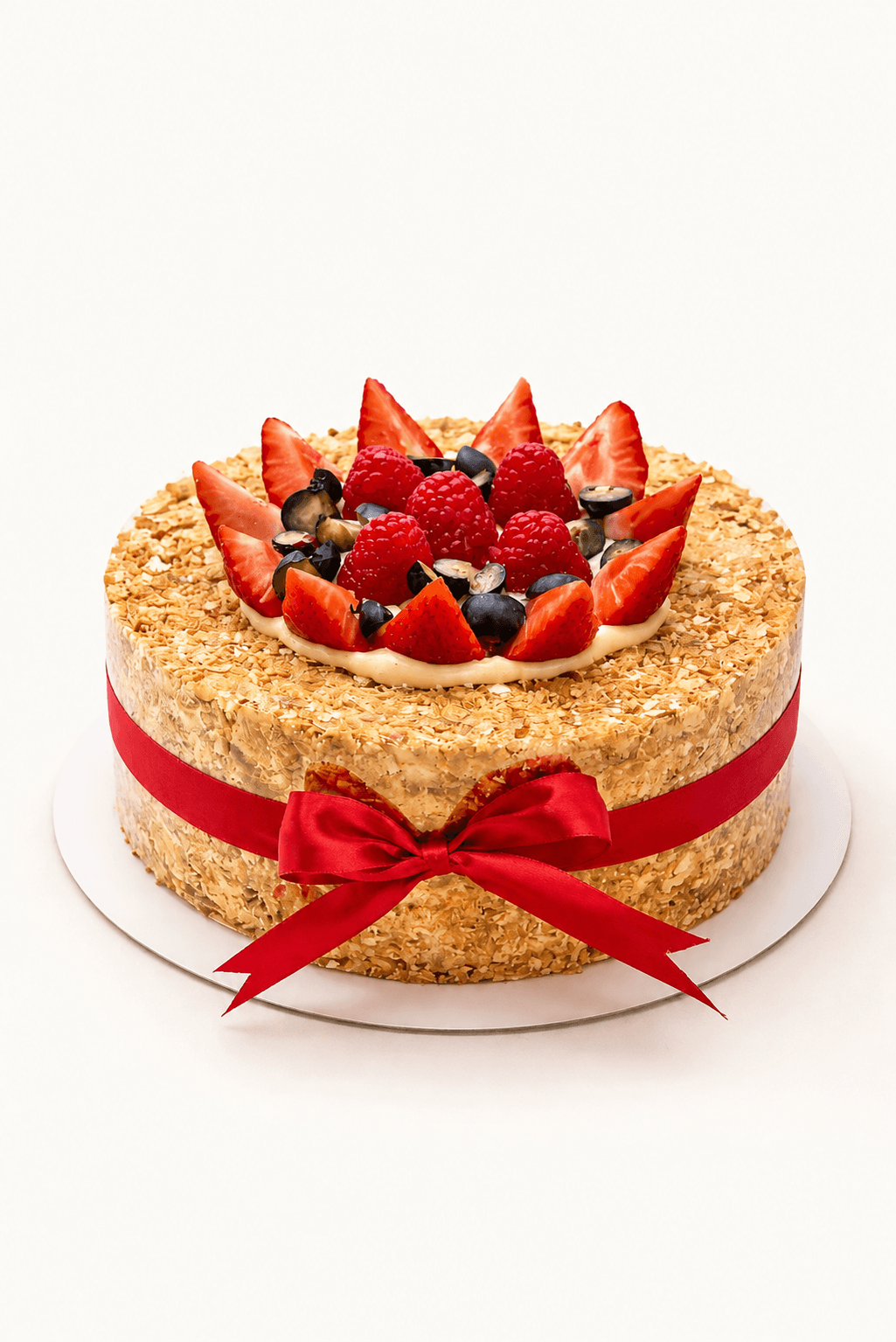
The Napoleon at £85 is the alternative and is equally good with tea, being similarly not very sweet.
The carrot cake at £65 is the safe choice for a mixed group and the one to pick if there are people who look nervous at unfamiliar names.
Avoid the very rich cakes here. Kyiv and Esterházy are wonderful and they are too much in a format where people are already eating five other things.
The small sweet things
This is where an afternoon tea is actually made, and it is the part people underinvest in.
You want variety and small size. Three or four different things in modest quantities beats a large amount of two.
Good options are the sochniki at £25 for six, which are the traditional tea pastry and less sweet than they look. The goose feet cookies at £25 for 300 g, crisp with sugar outside and crumbly within. The kurabye at £15 for 200 g, which is butter cookie with a spot of strawberry jam and is the cheapest thing we make. Oreshki at £40 for twenty, which are the ones people ask about. Kartoshka at £24 for six, dense and very sweet, so one each is enough. Trubochki at £31 for five, crisp cream horns that are gloriously messy.
Florentines at £23 are worth including because they keep, so any left over do not go to waste.
The tea itself
Worth a paragraph, since it is the other half of the name.
Make it in a pot and make it strong. Most of what is on the table is sweet, and weak tea disappears underneath it entirely. A strong Assam or a good English breakfast holds up. Earl Grey is popular and struggles against anything with chocolate in it.
Make a second pot rather than stretching the first. The moment the tea goes cold and stewed is the moment people start looking at their phones.
Have something else available. Not everyone drinks tea, and a jug of something cold on a warm afternoon is not a betrayal of the concept.
What to skip
Scones. Not because there is anything wrong with them but because a scone is only worth eating within a couple of hours of leaving the oven, and nobody delivering across London can promise that. A scone that has travelled is a dense disappointment with jam on it. If you want scones at your tea, make them yourself that morning.
Anything with fresh cream that has to sit out. The strawberry vatrushki and the trubochki are wonderful and both have a working life of about two hours on a warm table. Serve those at a fixed time or not at all.
Sandwiches, unless you are making them. A tea with shop sandwiches on it reads as an event that ran out of enthusiasm.
Ordering it in
Everything above is on the website with 48 hours notice, so a Saturday tea is ordered on Wednesday or Thursday.
A worked example for six people. One medovik at £68, six cabbage and egg pirozhki at £22, six sochniki at £25 and 200 g of kurabye at £15. That is £130 before delivery, it is comfortably enough, and the only work involved is warming the pirozhki and making tea.
Delivery is £12 within SW3 and £15 across the rest of London and Surrey, with a £50 minimum order.
Order for the day before rather than the morning of. The cakes are all fine after a night in the fridge, the cookies are better, and you will not spend the morning of your own tea party watching for a van.
Order it for the date you need
Everything here is baked to order for your date.
48 hours notice, 72 for bread. Delivered across London and Surrey.